
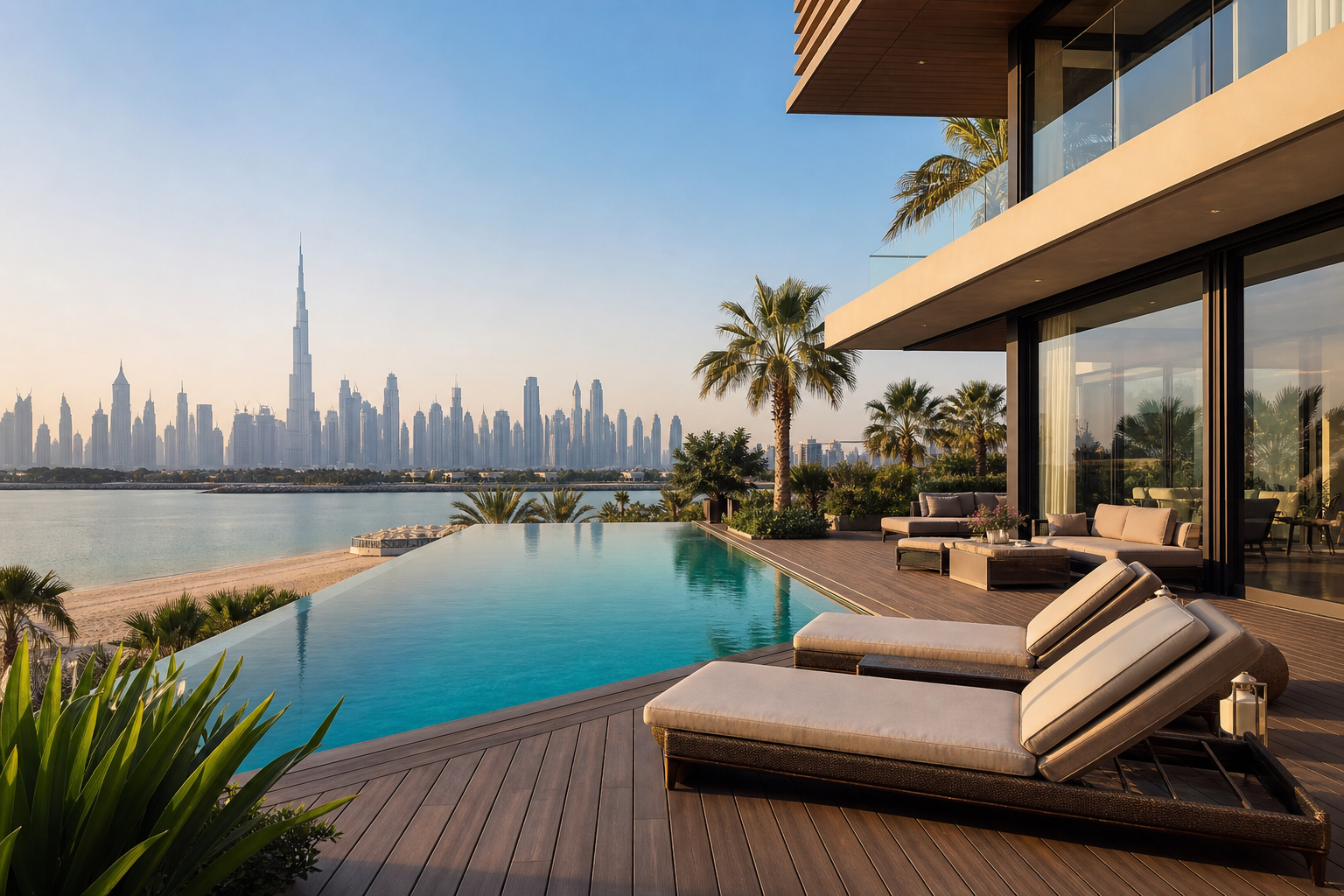

Luxury properties in Dubai: how to spot and shortlist premium homes
Key Takeaways
- Luxury properties in Dubai are defined by location, building quality, services, and exclusivity.
- Branded residences and mixed-use condo-hotels offer unique investment opportunities with hotel-grade services.
- Off-plan properties can provide lower initial pricing but come with delivery risks; ready homes offer immediate occupancy.
- Foreign buyers should be aware of specific eligibility requirements and documentation needed for purchasing in Dubai.
- A comprehensive checklist can help streamline the property shortlisting process for luxury homes.
Dubai’s luxury real‑estate market blends high design, branded services and complex investment choices. This guide explains what people typically mean by “luxury” in Dubai, why branded residences and mixed‑use condo‑hotels can change the shortlist, what foreign buyers should expect, and a compact checklist you can use immediately to compare off‑plan and ready units.
What “luxury properties in Dubai” means and what high‑end buyers want
At its core, real estate is land and the structures built on it; buyers apply the same legal and financial tests whether comparing a compact apartment or a multi‑bedroom villa. For a practical primer on common real‑estate terminology and investment metrics that buyers use to compare assets, see a standard overview: Real Estate: Definition, Types, How to Invest in It.
In Dubai, the label “luxury” is typically a combination of four buyer‑facing attributes: location (waterfront, signature districts, or private islands), building quality (distinctive architecture and premium finishes), services (concierge, wellness, branded hospitality), and exclusivity or privacy features (private lifts, large terraces, dedicated entry). These dimensions drive resale and rental demand, so treat them as primary comparison axes when shortlisting properties.
Affluent buyers often prioritise turnkey delivery, integrated home automation, energy and wellness features, and seamless move‑in experiences. Industry coverage notes a trend away from merely ostentatious features toward well‑executed design, modern technology and long‑term livability—elements that increase everyday comfort and broaden rental appeal if you lease the unit later. For a discussion of these preferences and how they influence specification choices, see: Here Is What Luxury Real Estate Buyers Want In Their Homes.
Practical specification items to prioritise in brochures or viewings include finished kitchens with premium appliances, integrated smart‑home controls, dedicated wellness space (spa or private gym), robust building‑level concierge/security, and careful acoustic/visual privacy planning. Differences in these areas often explain large price spreads between otherwise similar units.
Why branded residences, condo‑hotels and mixed‑use investments matter
Branded residences pair private ownership with hospitality‑scale services from an established operator. These projects attract buyers who want hotel‑grade service, consistent standards of maintenance, and a recognisable lifestyle offering. Coverage of global branded residential markets shows the product type has grown substantially over the past decade and remains a distinct segment within luxury supply; for background on how brands affect service models and buyer appeal, see this overview: Branded Residences: The Benefits Of Merging Luxury Hospitality With Multifamily Living.
Mixed‑use condo‑hotels combine owner suites with hotel inventory and shared F&B or wellness amenities. They are attractive to buyers who value turnkey rental programmes and professional on‑site management; industry observers highlight growing investor interest in this product type as a complement to traditional residential investments. If you prioritise professional rental management and hotel‑level standards, branded or condo‑hotel projects belong high on your shortlist; if you want full private control and potentially lower running costs, examine high‑end residential towers without hotel operations.
Off‑plan versus ready luxury stock: practical tradeoffs

Off‑plan purchases typically offer staged payments and sometimes lower initial pricing, but they carry delivery timeline risk and depend on developer performance. Ready homes provide immediate occupancy, known finishes, and an observable rental history when assessing income potential. Mixed‑use luxury projects are offered both off‑plan and as completed inventory, so buyers must weigh cashflow timing, developer reputation and handover reliability when comparing offers.
Decision rule examples:
- Choose off‑plan if you need structured payments and are comfortable with developer timelines and escrow protections.
- Choose ready stock if immediate occupation, viewing the exact finished unit, or immediate rental income are priorities.
Risk mitigation for off‑plan buyers includes requesting the developer’s recent handover record, asking to see escrow or retention arrangements that protect buyer funds, and including clear milestone‑based remedies in the Sale and Purchase Agreement. For ready homes, check the unit’s snagging record, recent maintenance history and any building service charge documentation that shows ongoing operating costs.
Practical steps for foreign buyers in Dubai
Foreign buyers regularly purchase in Dubai, but the process requires familiarising yourself with eligibility, documentation and developer procedures. Authoritative reporting notes the emirate’s appeal to international purchasers as part of a tax‑efficient environment for many individuals; for practical market context aimed at overseas buyers, see this guide: Considering Buying Dubai Real Estate? Here’s What You Need To Know.
Actionable checklist for overseas purchasers:
- Request the official project brochure and the developer’s payment plan or sample Sales and Purchase Agreement (SPA) before paying any deposit.
- Confirm the developer’s recent delivery history and ask for comparable resale evidence within the same community.
- Have a specialist lawyer review the SPA and title particulars before you sign; avoid relying on general summaries.
- Prepare core buyer documents such as passport ID, proof of funds, and proof of address—developers specify exact reservation requirements.
Additional buyer actions to consider: obtain mortgage pre‑approval if you plan to finance the purchase, arrange an independent valuation or market opinion for investment cases, and consider appointing an on‑the‑ground representative or granting a limited power of attorney for inspection and closing tasks if you cannot travel. Always confirm local regulatory steps with a qualified advisor rather than relying on general checklists.
A shortlisting checklist for luxury properties in Dubai (developer, location, liquidity, amenities)
When shortlisting luxury properties, consider the following checklist:
- Developer Reputation: Research the developer’s track record and past projects.
- Location: Evaluate proximity to key amenities, transport links, and lifestyle offerings.
- Liquidity: Assess the potential for resale and rental demand in the area.
- Amenities: Look for unique features such as pools, gyms, and community spaces.


Join The Discussion